What to Look for in a Beacon top Paving Contractor for Quality Paving
What to Look for in a Beacon top Paving Contractor for Quality Paving
Blog Article
Paving Solutions: Enhance Your Property With Professional Paving Services
Professional paving services offer major advantages for property enhancement. They not only improve aesthetics but also raise functionality. Choosing the right materials, such as asphalt or interlocking pavers, can guarantee durability and style. The installation process is key for achieving long-term results. Yet, many homeowners miss essential maintenance practices that can extend the life of their investment. Understanding these elements is essential for making informed decisions about outdoor spaces. What comes next may surprise you.
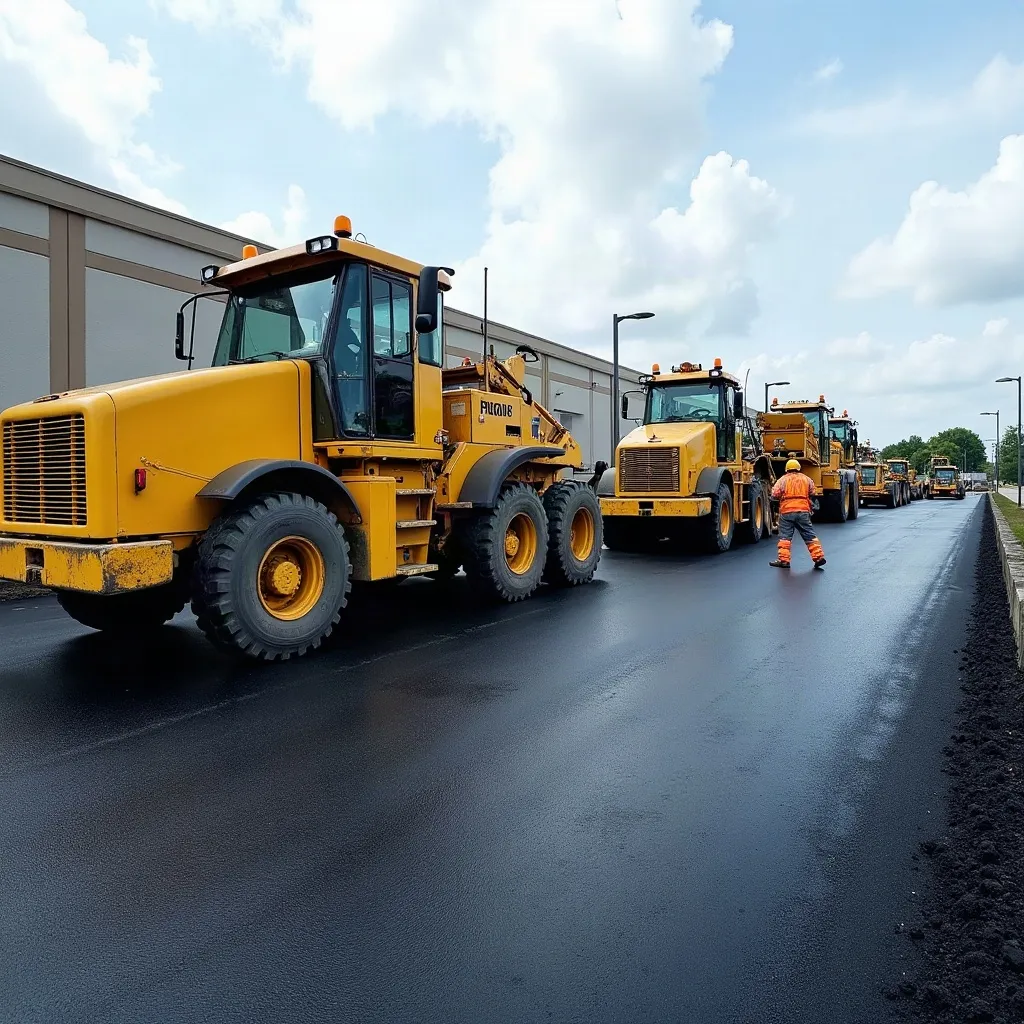
Expert Paving Solutions Transform Your Property
Professional paving solutions revitalize outdoor spaces, enhancing both practicality and appearance. By applying professional methods and modern equipment, these offerings provide the meticulous preparation and installation of various pavement surfaces. This attention to detail results in resilient, enduring outcomes that resist degradation and damage while maintaining visual appeal.
In addition, skilled pavement work improves property value, developing attractive walkways, access routes, and seating areas that draw in potential clients. A well-maintained paved area improves safety by limiting hazards like uneven terrain and extra dirt, enhancing a more pleasant outdoor experience.
Moreover, accomplished professionals can develop tailored designs appropriate for client preferences, verifying that all projects supports the property's unique character.
Select the Optimal Surface Materials for Your Project
Which strategies help property owners determine the optimal paving materials for their work? Getting the material correct is required for aesthetics and how it performs.
First, real estate holders should evaluate the exact function of the paved area. For driveways, durable materials like asphalt or concrete are often preferred due to their robustness and endurance. In contrast, for patios or walkways, options such as pavers or bricks can deliver visual appeal and versatility.
Next, weather patterns has a considerable influence. Areas with heavy rainfall may advantage from permeable materials that facilitate for enhanced drainage systems, lowering the risk of floods.
In addition, maintenance requirements should be reviewed; some materials need more care than explore now others.
Ultimately, budget limitations will shape the decision. While high-quality materials may demand a larger initial outlay, they frequently produce extended financial advantages through durability and reduced repair expenses.
Consequently, careful consideration of these factors will guide property owners to make informed choices.
Asphalt Paving Advantages
Asphalt paving stands out as a leading option for homeowners looking for durable and affordable solutions for their driveways and walkways. One of its primary benefits is its durability; asphalt can withstand heavy traffic and severe weather conditions, making it ideal for residential use.
In addition, asphalt is cost-conscious relative to other paving materials, facilitating homeowners to achieve a superior quality appearance without excessive spending. The installation process is also expedient, routinely wrapped up within a day, minimizing disruption to daily life.
Furthermore, asphalt is simple to upkeep, requiring only periodic sealing to prolong its lifespan. These benefits make asphalt paving a practical and smart choice for improving property appearance and performance.
Interlocking Paver Advantages
For those exploring paving alternatives, interlocking pavers display clear advantages that enhance both aesthetic value and functionality.
These versatile pavers come in multiple shapes, colors, and textures, permitting artistic design choices that can complement any property style. Additionally, interlocking pavers ensure exceptional durability, resisting cracking and shifting, which is particularly advantageous in regions with varying temperatures.
Additionally, their unique configuration optimizes efficient water drainage, reducing the risk of waterlogging and soil deterioration. This permeability also promotes ecological balance by permitting rainwater to restore groundwater supplies.
Ultimately, the hassle-free setup and care makes interlocking pavers a functional solution, enabling homeowners to savor their elegant finish without overwhelming maintenance requirements.
Starting Site Survey
Which elements impact the initial site assessment for paving installation? Several vital considerations come into play during this vital stage. First, the land’s topography is analyzed to spot any slopes or drainage concerns that might affect the paving process. Next, the current soil conditions are evaluated, since different soil types determine stability and durability. Additionally, site accessibility is taken into account to figure out how equipment and materials will be transported. Local regulations and zoning laws are reviewed to guarantee compliance. Lastly, existing structures and vegetation are assessed to plan for any necessary removal or protection. This thorough evaluation lays the groundwork for a successful paving project, making sure that all possible challenges are handled from the beginning.
Installation Processes Clarified
Once a thorough site assessment is done, the paving installation work can start.
The opening phase requires site preparation, where any present materials are extracted and the ground is evened. Subsequent to this, a base layer is set up, generally composed of rock fragments or broken stone, which furnishes structural support and drainage capacity.
Next, the selected surfacing option—such as asphalt or concrete—is placed. This stage demands careful application to guarantee a even surface and correct positioning.
Once the paving is laid down, it undergoes compaction to enhance durability. Finally, the setting process takes place, allowing the material to properly set.
Throughout the process, effective dialogue with the property owner is required to tackle any concerns and guarantee contentment with the final end result.
Paving Upkeep Best Practices for Long-Lasting Quality
Although asphalt areas are designed for durability, regular maintenance is essential to guarantee their extended life. Routine inspections should be conducted to detect cracks, potholes, or signs of wear. Timely fixes can avoid further damage and extend the durability of the road surface.
Additionally, maintaining the surface clear is crucial; dirt, foliage, and dirt can trap moisture, leading to deterioration. Regular cleaning and periodic power washing assist preserve a pristine appearance and performance.
Applying sealant every few years can protect the surface from weathering and UV damage, while also enhancing its visual appearance.
To summarize, addressing drainage issues is vital. Effective drainage systems prevent water accumulation, which can compromise the paving material over time.
How to Identify a Reliable Paving Contractor
Securing a reputable paving contractor represents an key step for property owners intending to install or upgrade their paving surfaces. To initiate, individuals should collect recommendations from friends, family, or local businesses that have not long ago carried out paving projects. Online assessments and testimonials can also give insights into a contractor's reputation.
Once potential service providers are identified, it is essential to verify their qualifications, such as licenses and insurance. A professional contractor should offer a detailed written quote that describes the project parameters, materials, and timeline.
In addition, seeking references from former clients can assist in evaluating the contractor's reliability and quality of work. It's also wise to ask about warranties on workmanship and materials.
In conclusion, supporting candid communication and transparency during initial consultations can create a confident relationship, leading ultimately to a successful paving project that exceeds expectations.
Questions That Are Frequently Inquired
How long Does a Typical Paving Project Take to Finish?
A standard asphalt project generally takes 1-3 days to finish, based on factors such as the project's size, intricacy, climate, and preparation requirements. Proper planning can help expedite the work efficiently.
Which Authorizations Are Necessary for Paving Installation?
Generally, paving installation demands authorizations including local construction permits, zoning permits, and environmental evaluations. Requirements vary depending on region, so consulting community officials assures conformity with mandatory legal obligations for the project.
Can You Do Road Construction in Winter or Rainy Seasons?
Paving can be problematic during winter or rainy seasons due to climatic and wetness factors. Cold weather can prevent proper curing, while excessive rain may cause structural defects, leading to potential long-term damage. Strategic forethought is essential.
What Should I Act if My Pavement Cracks?
If pavement fractures, the initial action is to evaluate the harm. Subsequently, clean the area thoroughly, seal the fissures with appropriate sealant, and consider professional repair to prevent further deterioration and maintain safety.
What ways can I use to determine whether my pavement specialist is officially certified?
To confirm whether a paving contractor is licensed, you should validate credentials via local licensing boards, request a copy of their license, and check for insurance coverage, ensuring compliance with industry regulations and safety standards.
Report this page